
No dairy after denta
The Short Answer: It's About Bacteria, Not Calcium
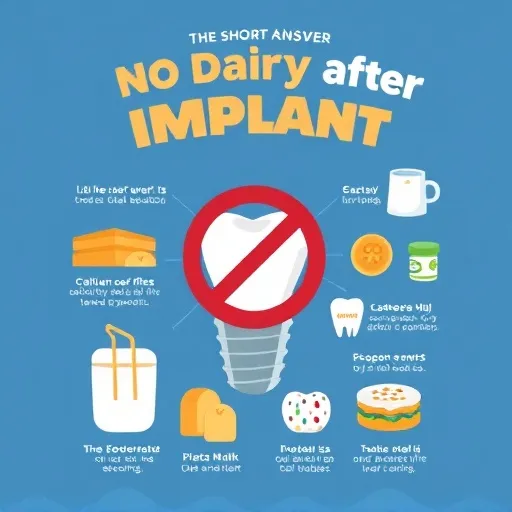
Okay, so here's the misconception that trips up almost everyone researching why no dairy after dental implant surgery. Most folks assume their dentist is worried about calcium or protein — like somehow milk is gonna mess with the titanium post or soften the jawbone. Nope. That's not it at all. The real concern behind why no dairy after dental implant procedures comes down to something way more mundane: oral bacteria, surgical wounds, and the messy way dairy behaves inside your mouth during those critical early healing stages.
When you get a dental implant, the titanium post gets embedded directly into your jawbone, and the gum tissue around it is either stitched up or left to form a natural seal. That seal? It's basically your body's first defense against infection. Anything that messes with it — hard chewing, sticky gunk, or a bloom of bacteria — can slow down recovery or, worst case, contribute to implant failure. And unfortunately, dairy hits a few of those problem areas right when your mouth is most vulnerable. Understanding why no dairy after dental implant surgery really just means understanding what's happening at the surgical site.
Lactose, Oral Bacteria, and the Acid Problem Nobody Talks About
Let's start with the science-y bit. Milk contains lactose, which is a natural sugar. When lactose hangs around your mouth — especially near a fresh surgical wound — oral bacteria go absolutely wild on it and produce acid as a byproduct. That acid doesn't just threaten your tooth enamel; it creates a hostile environment where harmful microbes can flourish right next to your healing implant. An acidic, bacteria-loaded mouth is literally the last thing you want during the first couple weeks of osseointegration — that's the fancy term for your bone fusing with the implant surface. This is reason number one for why no dairy after dental implant placement.
Sticky Textures That Cling to Your Gum Tissue and Surgical Site
Picture the texture of yogurt, pudding, or melted cheese. These things cling to surfaces like glue. After implant placement, you've got tiny openings in your gum tissue, and sticky food residue can get trapped in and around them. That residue turns into a breeding ground for bacteria, and cleaning it out without disturbing the wound is seriously tricky. Most dental care professionals recommend dodging these textures entirely during the initial recovery phase — another big piece of the why no dairy after dental implant puzzle.
Suction, Straws, and the Blood Clot Dislodging Risk
Here's one that gets overlooked constantly. Sipping through a straw — or even aggressively drinking a thick smoothie — creates suction in your mouth. That suction can yank at the blood clot protecting your implant site. If the clot comes loose, you're staring down something similar to a dry socket — painful, slow to heal, and a genuine risk factor for complications. Dairy-based drinks like milkshakes and smoothies are usually consumed through straws, which makes them a double whammy. That's yet another angle on why no dairy after dental implant surgery matters so much.
Inflammation, Dairy Proteins, and Individual Sensitivity
There's ongoing discussion in the nutritional science community about how certain dairy proteins may influence inflammatory responses in some people. The research is still evolving, but plenty of oral health experts take a conservative approach and suggest limiting dairy during the acute healing phase — just in case. If you already notice sensitivity to dairy in your day-to-day life, this advice becomes even more relevant. When people ask why no dairy after dental implant procedures, this inflammatory angle is a legit part of the answer.
Added Sugar in Flavored Dairy Products: A Recipe for Trouble
Flavored yogurts, chocolate milk, ice cream — these are dairy products with a serious sugar payload. Sugar is the primary fuel for cavity-causing bacteria and infection-causing bacteria. Around a surgical implant site, that's a recipe for disaster. Even if the dairy itself weren't an issue, the added sugar would be a strong reason to steer clear during post-op care. This sugar connection is a huge part of why no dairy after dental implant recovery plans exist in the first place.
How Long Should You Actually Avoid Dairy After Implant Surgery?
This is where things get practical. The timeline isn't identical for everyone — it depends on the complexity of your procedure, your overall health, and how your body responds. That said, here's a general framework many implant specialists use:
- First 3–5 days: Strict avoidance of dairy. This is the most critical window for clot formation and early tissue healing.
- Days 5–14: Gradual reintroduction might be possible, but stick to soft, plain, low-sugar options if you do. Many people still avoid it entirely during this stretch.
- Weeks 3–8: Most patients can reintroduce dairy normally, provided their healing is on track and they maintain excellent oral hygiene.
- Beyond 8 weeks: Unless your dentist advises otherwise, dairy is generally fine again.
Your specific instructions will depend on factors like whether you had a single implant or multiple, whether bone grafting was involved, and whether you have any underlying conditions that affect healing. Always defer to your own dental care provider — this article is educational, not a substitute for personalized medical advice.
What About Calcium? Won't You Miss Out?
Totally fair concern. Calcium is essential for bone health, and since dental implants rely on your jawbone fusing with the titanium post, you'd think you'd want plenty of it. Good news: you can get calcium from tons of non-dairy sources during your recovery window, and you can reintroduce dairy later without missing any long-term benefits.
Non-dairy calcium sources that are implant-friendly include:
- Fortified plant-based milks (unsweetened, no straw)
- Leafy greens like kale and collard greens (cooked soft)
- Canned fish with soft bones, mashed thoroughly
- Tofu made with calcium sulfate
- Chia seeds and almonds (ground or as butter, if texture allows)
Many nutrition professionals point out that calcium absorption is a long game — you're not going to lose bone density in a week or two of skipping milk. What matters far more during early implant healing is keeping the site clean, stable, and free of infection.
Other Foods to Avoid Alongside Dairy During Post-Op Care
Dairy isn't the only thing on the "no" list after implant surgery. To give your mouth the best shot at smooth healing, consider avoiding these for the same window:
- Crunchy foods: Chips, popcorn, raw carrots, nuts — anything that can poke or pressure the site.
- Spicy foods: Can irritate healing gum tissue and increase blood flow to the area.
- Very hot foods and drinks: Heat can promote bleeding and discomfort.
- Alcohol: Thins the blood, slows healing, and interacts with pain medications.
- Caffeine: Can increase heart rate and, in excess, contribute to dryness and irritation.
- Sticky sweets: Caramel, gummies, dried fruit — all tend to lodge near the implant site.
- Carbonated drinks: Acidic and often sugary, plus the bubbles create pressure.
Instead, lean on soft, cool, nutrient-dense foods: mashed potatoes (with plant-based butter), broths, scrambled eggs, applesauce, smoothies eaten with a spoon, and pureed soups. These keep you nourished without stressing the surgical area.
The Role of Oral Bacteria in Implant Success Rates
It's worth zooming out for a sec to understand why all this caution matters. Dental implant success rates are high — often cited above 95% for healthy patients — but the majority of failures happen because of infection or inadequate bone integration. Both of those outcomes are heavily influenced by the bacterial environment in your mouth during the first few weeks.
Every food choice you make during that period either supports a clean, stable healing environment or works against it. Dairy, in its many forms, tends to fall into the "working against it" category during the acute phase for the reasons we covered: sugar, stickiness, acidity, and the suction risk that often comes with how it's consumed. A seasoned dental practitioner will typically emphasize that the first two weeks post-op are the "make or break" window. What you eat, how you clean, and how well you rest all contribute to whether your implant integrates smoothly or runs into complications.
Smart Dairy Alternatives During Recovery
You don't have to feel deprived. Here are some satisfying swaps that keep you full and support healing:
- Instead of yogurt: Try unsweetened applesauce or mashed banana.
- Instead of milkshakes: Blend a smoothie with plant milk, banana, and a scoop of protein powder — eat it with a spoon, never a straw.
- Instead of cheese: Soft avocado or hummus (if your dentist allows seeds).
- Instead of ice cream: Frozen banana "nice cream" without added sugar.
- Instead of milk in coffee: Skip the coffee entirely for the first few days; if you must, use a small amount of unsweetened plant milk at room temperature.
These swaps give you creaminess and comfort without the drawbacks. Many recovery-focused nutritionists recommend prepping these options before your procedure so you're not scrambling for food while you're sore and groggy.
When Can You Enjoy Dairy Again After Implant Surgery?
Good news — this restriction is temporary. Once your dentist confirms that your gum tissue has closed and your implant is stable, you can gradually bring dairy back into your diet. Start with plain, low-sugar options like plain yogurt or a small glass of milk, and pay attention to how your mouth feels. If you notice any irritation, back off and try again in a few days.
By the time you're a month or two out — assuming everything healed well — you should be able to enjoy your normal diet, including all the cheese, yogurt, and milk you want. Just remember to maintain excellent oral hygiene around the implant, because even after healing, the area needs consistent care. And that's the full story behind why no dairy after dental implant procedures — it's temporary, it's strategic, and it's totally doable.